The Crisis in End-of-Life Care
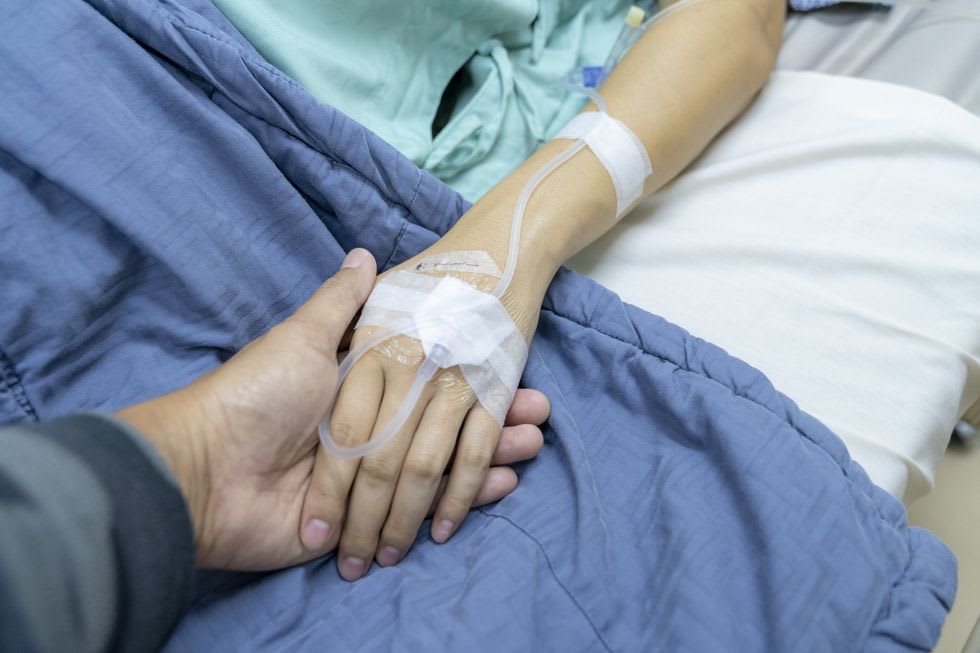
Recent research has highlighted a growing crisis in end-of-life care across the UK, with nearly one in three people dying without receiving the necessary support. This alarming statistic has sparked a significant political response, with hundreds of MPs and peers calling for urgent reforms to hospice funding.
The data, released by Marie Curie, indicates that 32% of individuals who passed away experienced unmet needs, meaning their serious symptoms were not properly managed, and they did not receive adequate GP support. This equates to approximately 200,000 people annually—roughly one person every three minutes.
In response to these findings, over 240 MPs and peers from across Parliament have signed a petition urging changes to hospice funding. They argue that end-of-life care should not be left to rely on unstable charitable income. This cross-party support comes as new data from Hospice UK reveals the sector is facing unprecedented financial strain.
According to Hospice UK, two out of five hospices are planning to cut services this year, with 20 already forced to reduce care or make staff redundant. In England, 75% of hospices are operating at a deficit, up from 70% last year. The organization has described the previous financial year as the worst on record, with this year looking even more challenging.
There are around 250 hospice beds across the UK, providing specialist care for those with terminal illnesses. These facilities help manage pain, control symptoms, and support families during the final days and weeks of life.
However, most hospices are independent charities. While they receive some NHS funding, they heavily rely on fundraising and money left in wills. Figures from Legacy Futures show that hospices’ share of all health charity income from wills has dropped from a quarter to a fifth over the past decade—a 25% decrease.
At the same time, running costs have increased significantly due to higher wages, energy bills, and inflation. Campaigners argue that the combination of rising unmet needs and worsening hospice finances is widening the gap between what families need and what services can provide.

Marie Curie’s research also uncovered inequalities in care. Individuals with multiple health conditions and those struggling financially were more likely to miss out on proper end-of-life support. Dr Tom Jefferson, a leading Oxford academic, emphasized the urgency of the situation: “This is inhuman. I cannot describe what it is like to be dying, dehydrated, confused, cold or alone. If you are unconscious, you are lucky. As a medic and as a human being, this is beyond disgraceful.”
Jacqui Joseph, a presenter and Marie Curie ambassador, added: “Everyone deserves a good death, and yet every three minutes, someone reaches the end of their life without the pain relief, support, or basic comfort that proper palliative care provides. These are mothers, husbands, brothers, friends—people who need dignity, not distress, in their final moments.”
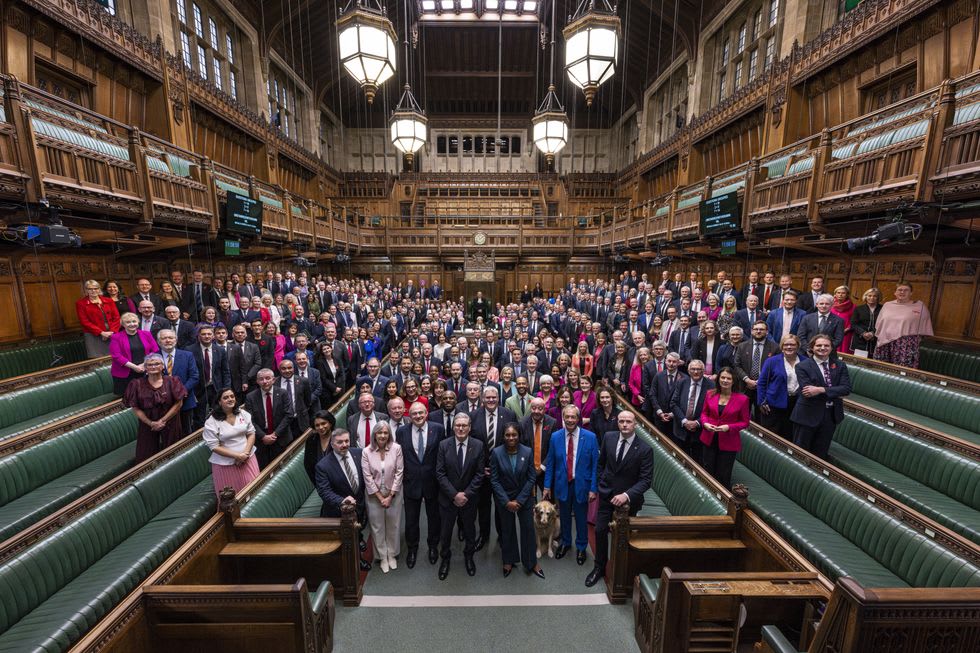
MPs supporting reform argue that end-of-life care should be treated as a core part of the health system, not left dependent on charity fundraising. Charlie King, Director of External Affairs at Hospice UK, stated: “Hospices not only support dying people but also relieve pressure on the NHS. Many people don’t realize just how reliant hospices are on charitable giving—especially gifts left in people’s wills.”
The government has pledged £125 million to improve hospice facilities and has committed £80 million for children’s and young people’s hospices over three years. A Department of Health and Social Care spokesperson said: “Hospices do incredible work to support people and families when they need it most and are facing incredibly tough pressures. We will soon set out our plans to modernise and improve the palliative and end of life care sector.”