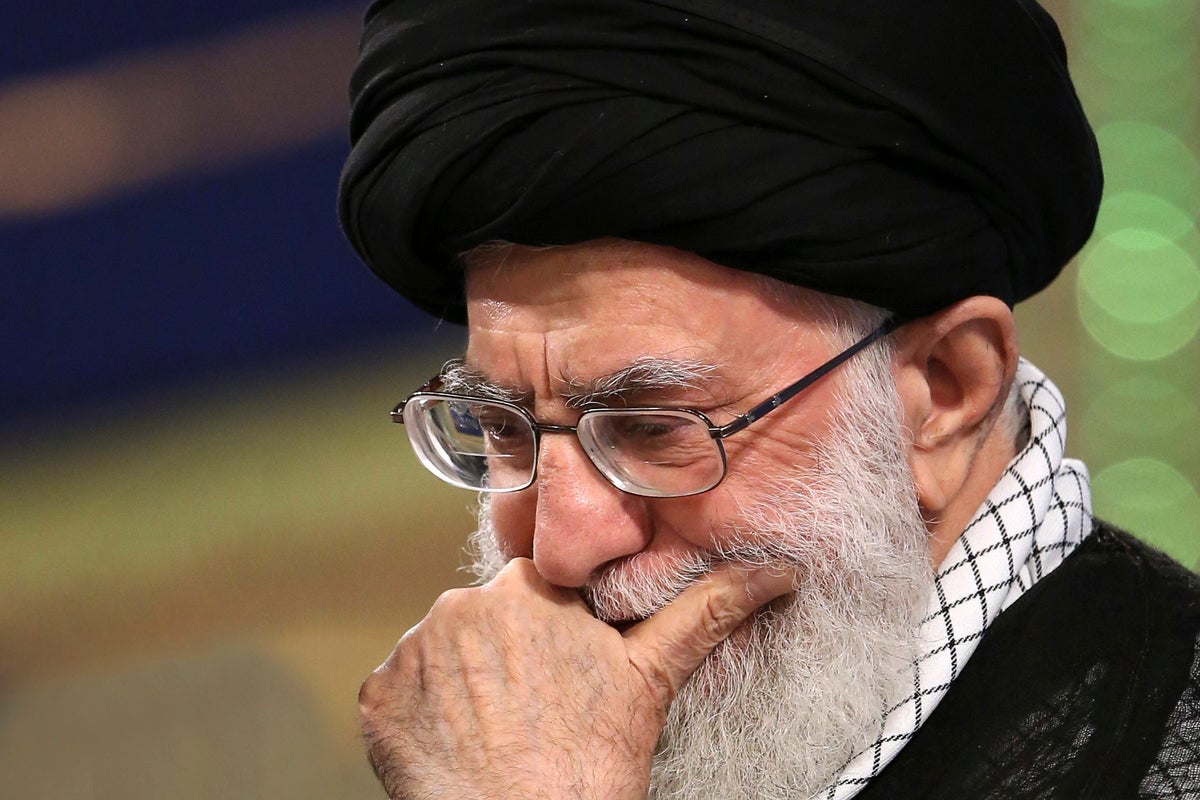
In a dramatic turn of events, US President Donald Trump has claimed that Iran’s Supreme Leader, Ayatollah Ali Khamenei, is dead following a joint military operation by the United States and Israel on Saturday. This alleged strike targeted Khamenei’s compound, leading to widespread speculation about the future of Iran’s leadership.
Trump took to social media to announce the news, stating, “Khamenei, one of the most evil people in history, is dead.” He further emphasized that this action was not only justice for the Iranian people but also for Americans and others who have suffered under Khamenei’s regime. The president described Khamenei as part of a “gang of bloodthirsty THUGS,” highlighting his strong opposition to the Iranian leader.
This development has prompted a closer look at Iran’s top political and spiritual leaders, especially in light of Khamenei’s death. Here are some key figures:
Supreme Leader Ali Khamenei
Ali Khamenei became Iran’s supreme leader in 1989 after the death of Ruhollah Khomeini, the founder of the Islamic Republic of Iran. Khamenei played a pivotal role in the 1979 revolution that overthrew Shah Mohammad Reza Pahlavi.
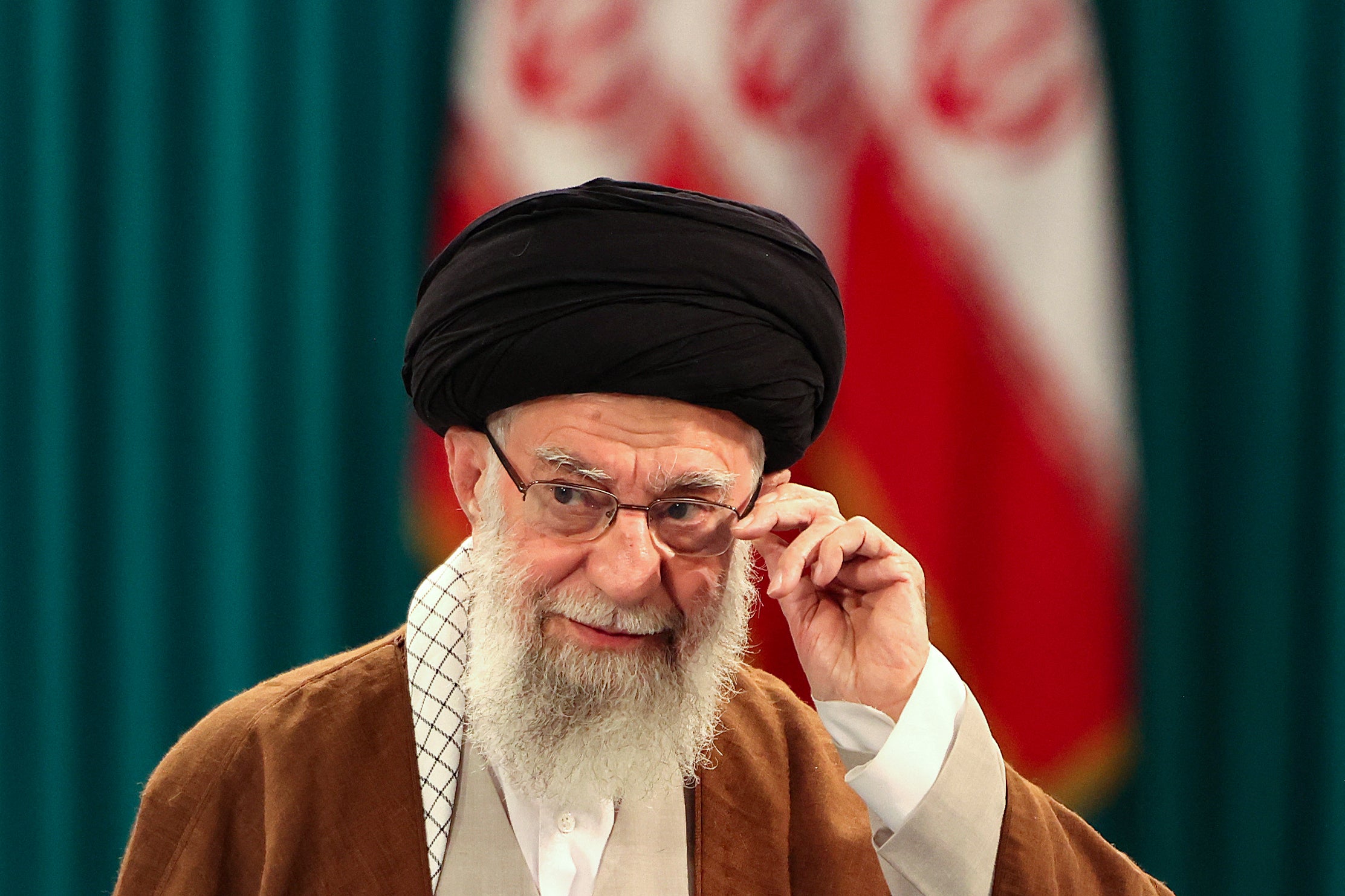

At 86 years old, Khamenei served as Iran’s commander-in-chief, holding the final authority on all policy and religious matters. The paramilitary Revolutionary Guard, which safeguards the Islamic Republic, operates directly under his command.
Khamenei was known for his role in previous crackdowns on protesters in Iran. Recently, he had warned that Iran was prepared to retaliate against any American attack.
One of the first strikes on Saturday targeted areas near Khamenei’s offices, and Trump later confirmed the supreme leader’s death.
President Masoud Pezeshkian
The current president of Iran, Masoud Pezeshkian, is viewed as a reformist. A former heart surgeon, he assumed office on July 28, 2024. As the second-highest-ranking official, Pezeshkian oversees daily administration, economic policy, and implements the Supreme Leader’s decrees.
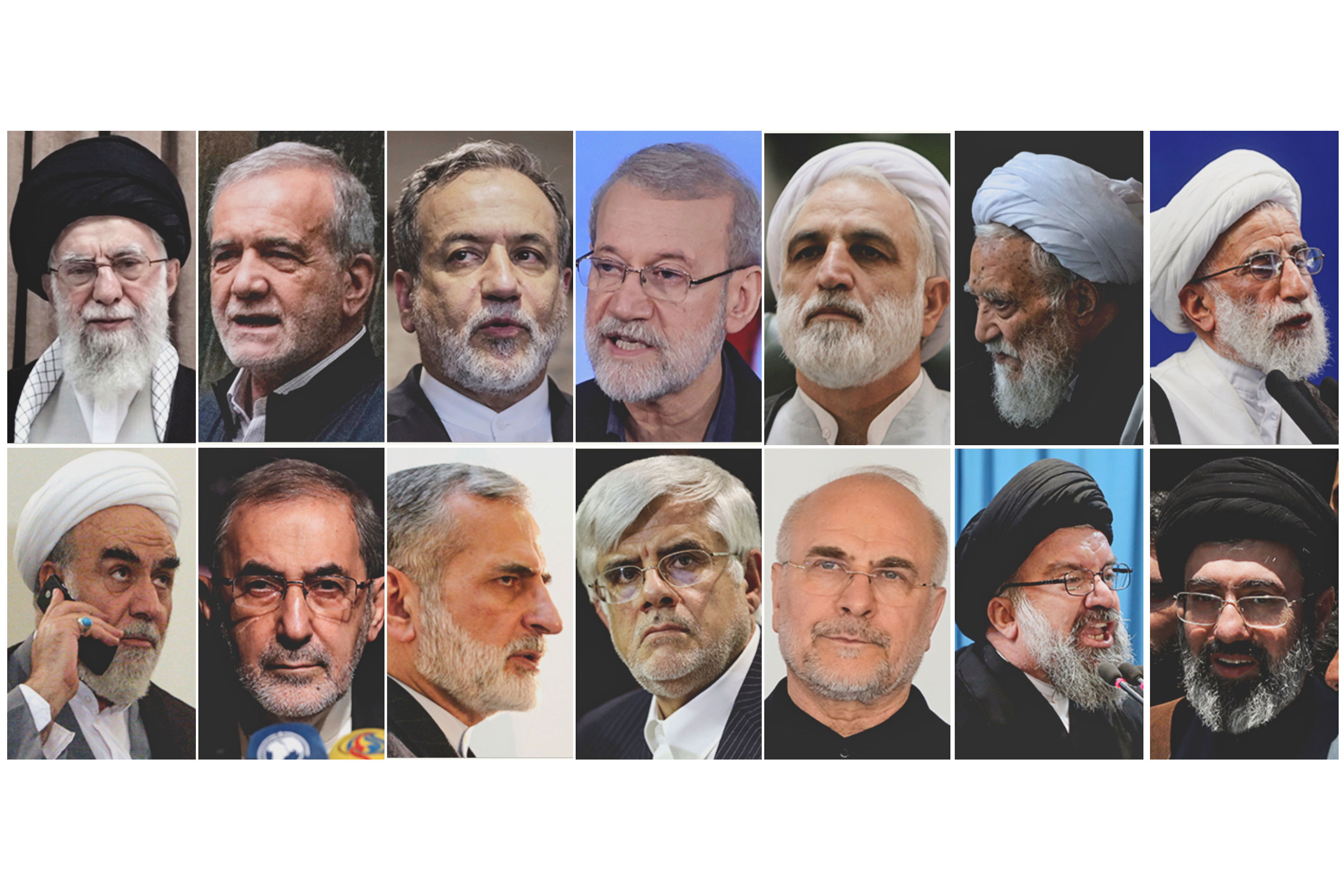

Iranians elect a president and parliament for four-year terms. This system allows for periodic changes in leadership, although the influence of the Supreme Leader remains significant.
Foreign Minister Abbas Araghchi
Abbas Araghchi, Iran’s foreign minister, is a seasoned diplomat and was a key negotiator in the 2015 nuclear deal. He was appointed on August 21, 2024. Prior to the recent attack, Araghchi warned of the potential consequences of conflict with the U.S., emphasizing the need for peaceful solutions during high-stakes talks.
Khamenei Adviser on Public Policy Ali Larijani
Ali Larijani comes from one of Iran’s most prominent political families. He previously served as a parliamentary speaker and senior policy adviser. Larijani was appointed to advise Khamenei on strategy during nuclear talks with the Trump administration.
In January, the U.S. imposed additional sanctions on Iranian officials, including Larijani, due to their involvement in repressing nationwide protests.
Chief Justice Gholam Hossein Mohseni Ejehi
Mohseni Ejehi, a conservative jurist and hard-line prosecutor, has been chief justice since 2021. He is considered a loyalist to Khamenei and was quoted in state media as saying there would be “no leniency” for those involved in unrest.
Head of Assembly of Experts Mohammad-Ali Movahedi Kermani
Movahedi Kermani leads the 88-seat clerical body responsible for appointing the next Supreme Leader. This assembly functions similarly to the Vatican’s College of Cardinals in the context of Iran’s religious hierarchy.
Secretary of Guardian Council Ahmad Jannati
Ahmad Jannati is the de facto leader of Iran’s Guardian Council, a 12-member body that vets candidates for office and legislation. It ensures that individuals align with Iran’s Islamic theocratic system.
Khamenei’s Chief of Staff Mohammad Golpayegani
Golpayegani, an Islamic cleric and longtime confidant of Khamenei, heads the Supreme Leader’s office. His role is crucial in managing the day-to-day operations of the supreme leader’s administration.
Khamenei Adviser on International Affairs Ali Akbar Velayati
Velayati, a physician by training, previously served as Iran’s foreign minister. He is a top adviser to Khamenei on international affairs and plays a key role in the country’s nuclear policy.
Khamenei Adviser on Foreign Policy Kamal Kharazi
Kharazi is a trusted adviser to Khamenei on foreign policy, particularly during recent nuclear talks with Washington. He has held numerous governmental, diplomatic, and academic positions throughout his career.
First Vice President Mohammad Reza Aref
Aref is the highest-ranking reformist in Iran’s executive branch. He serves as the primary deputy to the president and leads cabinet meetings when the president is absent.
Parliament Speaker Mohammad Bagher Ghalibaf
Ghalibaf, a former mayor of Tehran and Revolutionary Guard general, was reelected as parliamentary speaker on May 27, 2025. He is a conservative politician with a history linked to student crackdowns in 1999 and 2003.
Tehran Friday Prayer Imam Ahmad Khatami
Khatami, a member of Iran’s Guardian Council, is an influential prayer leader and religious figure loyal to the Supreme Leader. He has long been known for his hard-line views and was quoted in January calling for the death penalty for protesters.
Son of Supreme Leader Mojtaba Khamenei
Mojtaba Khamenei, the Supreme Leader’s second-eldest son, is a midranking cleric and rumored successor. He has close ties with Iran’s Revolutionary Guard and is said to wield influence behind the scenes as his father’s gatekeeper.