The UK’s Digital Identity Dilemma: A New Debate Over Sovereignty and Privacy
As the UK continues to navigate its post-Brexit landscape, a new debate is emerging over the country’s approach to digital identity documents. Sir Keir Starmer, leader of the Labour Party, is reportedly considering a fresh “surrender” to Brussels regarding the use of digital identity documents, sparking concerns among both Brexiteers and privacy advocates.
A recent survey commissioned by Labour has highlighted support for the cross-border use of digital identities and credentials. Industry leaders have urged ministers to prioritize relationships with Europe, suggesting that closer ties could bring benefits. However, this proposal has raised alarms among some MPs who fear that aligning with the EU’s rules could compromise UK sovereignty.
The survey, conducted by the Office for Digital Identities (OfDIA), part of the science and technology department, aimed to explore how the government could enable the cross-border use of digital identities and credentials. It involved 39 firms providing e-services such as digital identity wallets, right to work checks, and background screening. Most respondents emphasized that regulatory diversity between countries is a major barrier to using digital IDs abroad, calling for alignment of legal and regulatory frameworks with other nations.
This has raised the prospect of the UK signing up to Brussels rules, which could be seen as a step towards greater integration with the EU. Critics argue that this would undermine the UK’s independence and expose citizens to potential privacy risks.


Concerns Over Privacy and Security
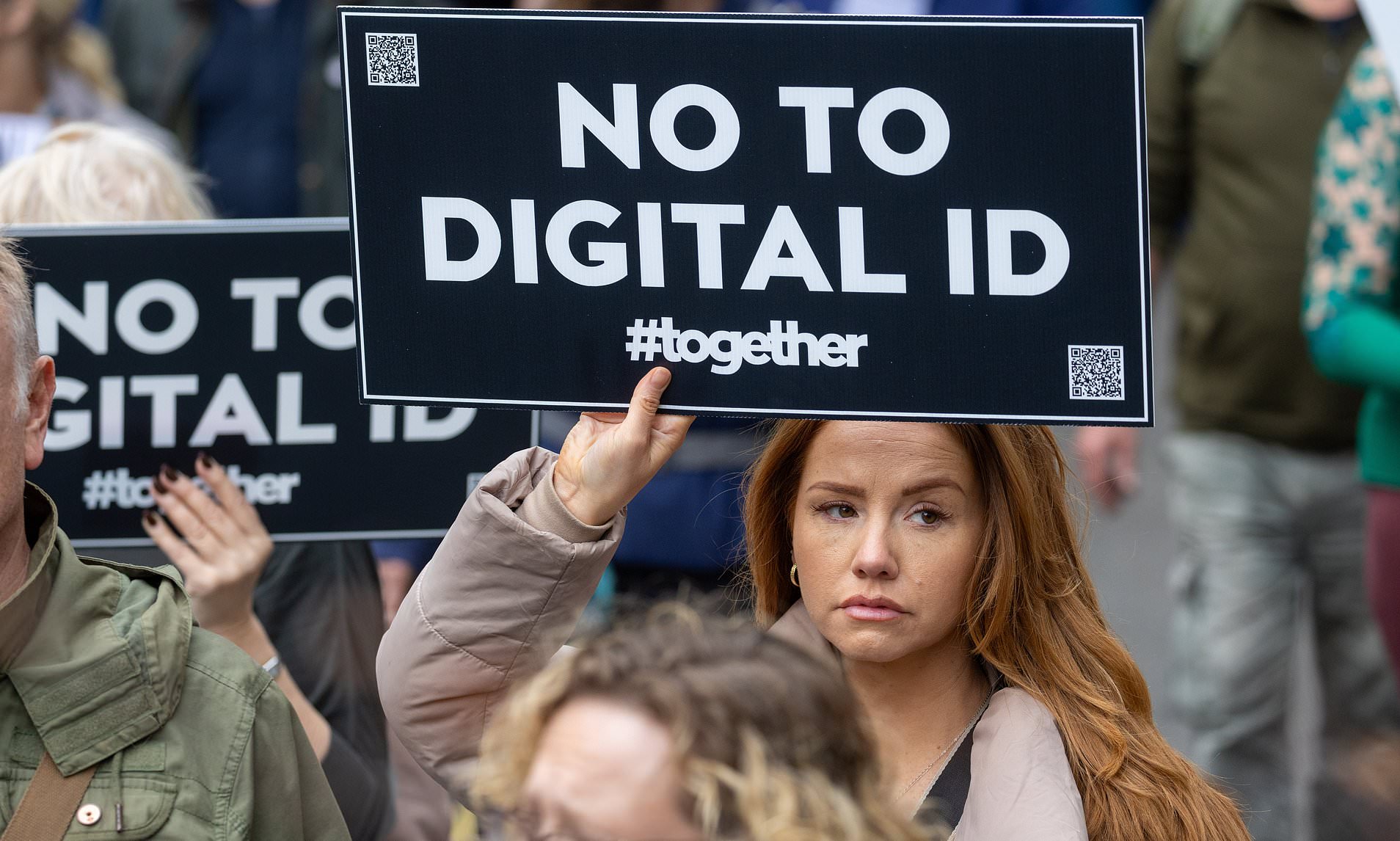
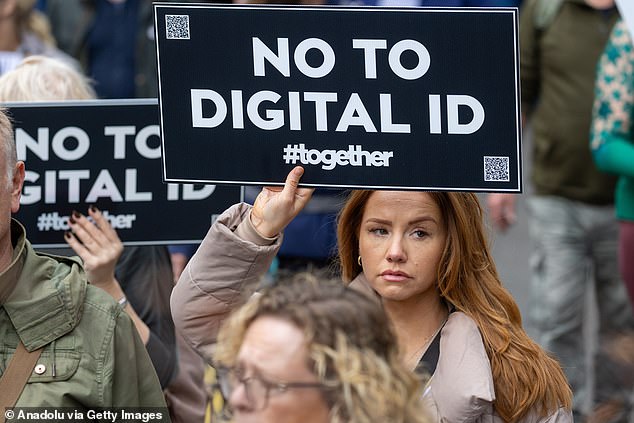
Campaigners have voiced serious concerns about the implications of digital identity systems. They warn that these schemes could give Brussels access to Britons’ personal data, raising questions about privacy and security. The EU has already launched its own “digital wallet,” which allows users to store driving licenses and other documents on their phones and devices. While it is not mandatory, critics worry that the centralization of such data could create a “honeypot” for hackers and enable Eurocrats to track individuals’ behavior.
Josie Appleton, director of the Campaign for Freedom in Everyday Life, pointed out that the language used in the consultation document closely mirrors that of EU reports on the subject. She warned that EU projects often start with the promise of user control but end with elites taking over and dictating how citizens behave.
Frank Furedi, head of the think tank MCC Brussels, echoed these concerns, stating that “alignment” starts as a technical convenience but can lead to political submission. He emphasized that Britain did not leave the EU to become a passive rule-taker in digital identity matters.
Labour’s ‘Reset’ and the Path Forward
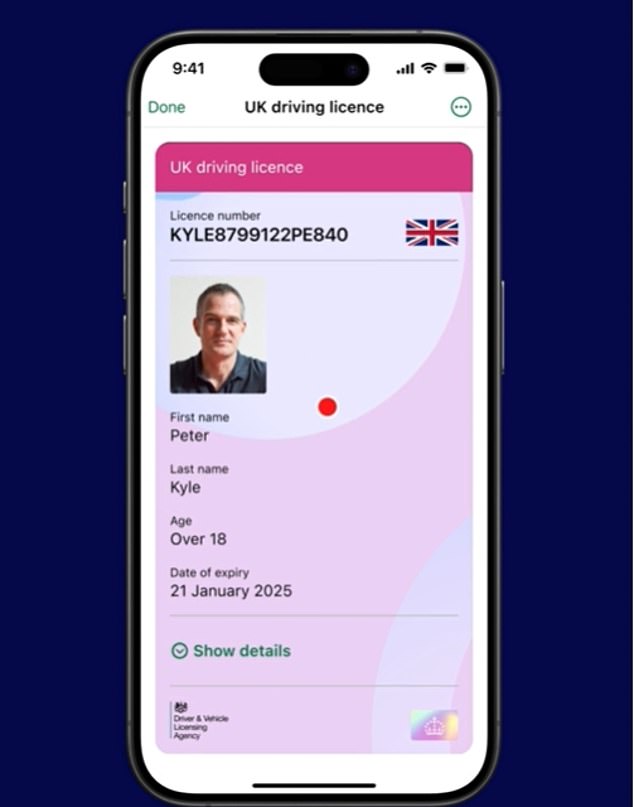
Sir Keir Starmer has already committed to following Brussels’ rules on animal and plant health, electricity, and carbon pricing as part of his post-Brexit “reset” in relations with the bloc. While he has U-turned on plans for mandatory ID cards proving the right to work in the UK, the survey proposed creating “identity wallets” that Britons can use abroad. Ministers have vowed to take the proposals forward.
Last month, Sir Keir dropped plans to make digital ID cards mandatory. Instead, a consultation on a voluntary scheme will be launched this year. The government also plans to take forward initiatives allowing Britons to use more forms of digital ID abroad.
A Government spokesman clarified that the report is not about the UK’s national digital ID scheme but rather about existing private sector digital verification schemes and whether there are benefits to them working abroad. The survey aims to explore what would be needed to make that happen with countries around the world.
The Broader Implications
The debate over digital identity highlights the broader challenges facing the UK as it seeks to balance sovereignty, privacy, and international cooperation. While some see opportunities in aligning with the EU, others fear the loss of control over critical aspects of governance and personal data.
As the discussion continues, the question remains: Will the UK embrace a more integrated approach with Europe, or will it find a way to maintain its independence while still benefiting from cross-border digital services? The answer will shape the future of digital identity in the UK and its relationship with the European Union.