The Truth About Healthy Mueslis
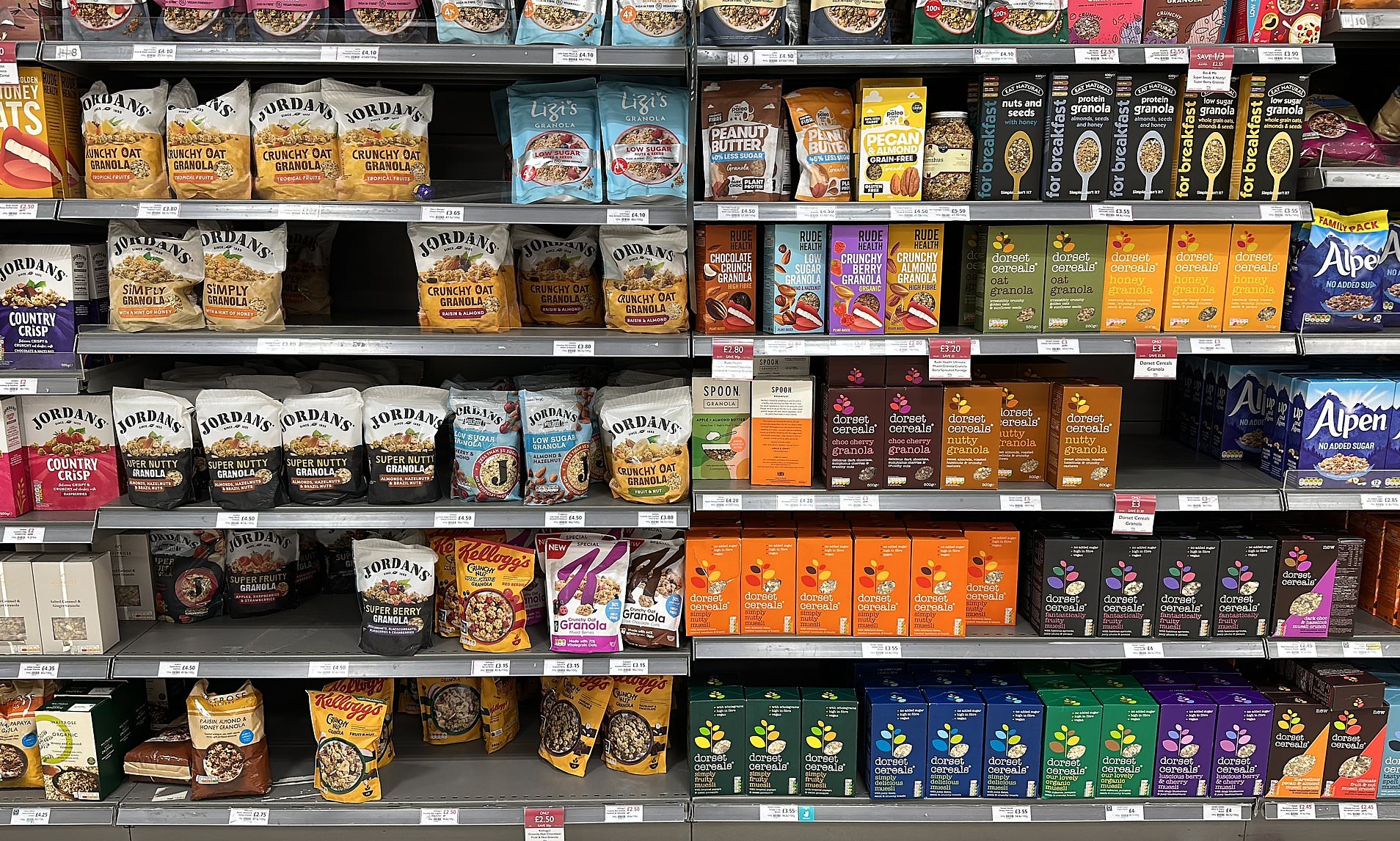
When it comes to breakfast, muesli is often considered a healthy choice. However, a recent report has revealed that some of the so-called healthy mueslis are no better than eating two Krispy Kreme doughnuts. This shocking finding highlights the importance of reading labels and understanding what we’re actually consuming.
According to a survey conducted by consumer watchdog Which?, 86 muesli products available in UK supermarkets were evaluated for their nutritional value. While muesli is generally seen as a healthy option due to its high fibre content, the report found that some varieties may be worse for you than chocolate wafer-inspired cereals like Nestle’s.
Which? Nutritionist Shefalee Loth emphasized that expensive price tags and premium branding do not always equate to nutritional value. “The healthiest options are often the simplest and the cheapest,” she said. “It’s worth reading the small print if you’re concerned about sugar or saturated fat.”
Nutritional Scoring System
Researchers used a strict scoring system similar to the one used to determine whether foods are high in fat, salt, or sugar (HFSS). This model ranks products on a scale from one to 100, taking into account essential nutrients like fibre and protein, as well as refined sugars and saturated fats. The final score is calculated by subtracting the score for health-adverse nutrients from the score for healthy nutrients.
Under this model, Raw Gorilla Keto Mighty Muesli scored the lowest with just 46 points, despite claiming to contain zero refined sugar. In comparison, Nestle’s chocolate KitKat cereal scored 56, with six times less saturated fat than the mighty muesli. The difference, according to nutritionists, lies in the fat and calorie content. Although the keto muesli is low in sugar, it is high in saturated fats and calories due to its nuts, seeds, and coconut flakes.

Industry Response
When approached for comment, a spokesperson from RawGorilla stated, “Comparing a specialist KETO product to sugary ultra-processed cereals highlights the limits of this method, a one-size-fits-all mathematical model.” They argued that the system penalizes the natural energy density and fat content of their seeds and nuts while ignoring the vital difference between unprocessed whole foods and ultra-processed products.
Nutritionists have long warned that it’s important to check ingredient lists and watch portion sizes. Rob Hobson previously told the Daily Mail, “It doesn’t necessarily mean these foods are ‘bad,’ but it encourages us to look at the overall balance of a product rather than its health halo.”
The Ketogenic Diet and Its Risks
The ketogenic diet focuses on high-fat, low-carb foods to force the body into a state of ketosis, where it burns fat for fuel instead of carbohydrates. Devotees claim it can support weight loss and even help ward off symptoms of depression. However, experts warn that the high fat content can increase the risk of liver cancer.
Another product on the list of least healthy mueslis was Waitrose’s own brand Essential No Added Sugar muesli, which scored 62/100. Despite its high fibre content, it received maximum penalties for its sugar content, containing 19.5g per serving. The NHS recommends adults consume no more than 30g of sugar per day.
Affordable and Healthy Options
Despite these findings, the report found that some budget-friendly mueslis made from simple wholegrains scored the highest marks. Top of the list, with an impressive 80/100, were supermarket own-brand ranges such as Asda, Morrisons, Tesco, and Sainsbury’s. These products were not only the healthiest but also the cheapest, costing less than 10p a bowl.
Holland & Barrett’s 15 Plant Fruit and Nut muesli also performed well, thanks to its high fibre and protein content. With 11.5g of fibre per 100g, it helps support digestive health and slow blood sugar spikes. Government guidelines recommend most adults aim for around 30g of fibre a day as part of a balanced diet.
Portion Distortion and Consumer Confusion
However, the report also highlighted the issue of ‘portion distortion,’ where consumers may find themselves confused by inconsistent labelling and portion sizes. This phenomenon can lead to overeating, even when choosing what seems like a healthy option.
Despite some cereals’ shortcomings, nutritionists at Which? noted that most mueslis still fall into the healthy middle ground. They provide a good amount of protein, calcium, and omega-3 fatty acids, which are often missing in popular breakfast cereals.
In 2024, the government introduced stricter guidelines requiring companies like McDonald’s and Cadbury to ensure their ads do not feature ‘identifiable’ products. This came after the food industry threatened legal action against the proposed blanket ban. Food campaigners supported the move, emphasizing the need to focus on banning all forms of junk food advertising to children.